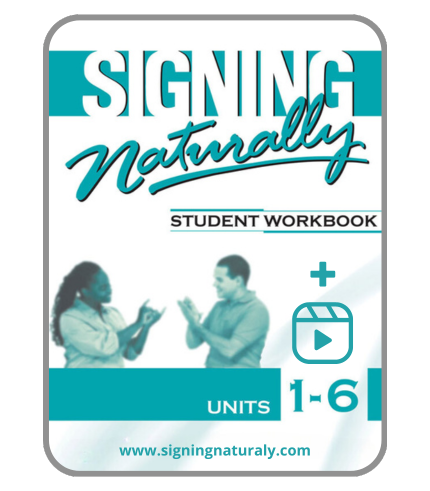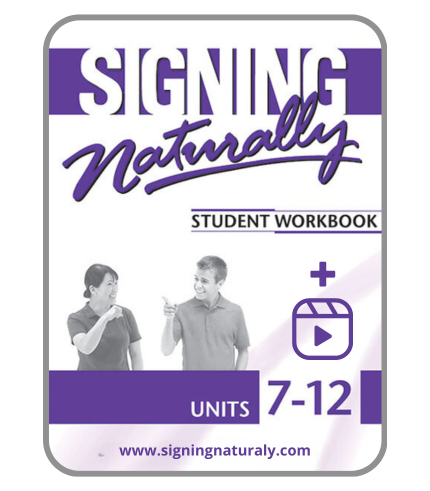
Understanding sign language goes beyond just learning a set of hand movements. It’s about grasping a mode of communication that is visual, expressive, and deeply connected to the cultural identity of the Deaf community. In this article, we delve into the principles of “Signing Naturally,” a popular approach to learning American Sign Language (ASL) that emphasizes natural, conversational communication.

Visual Communication
At the heart of “Signing Naturally” is the principle of visual communication. ASL is a language that relies on hand shapes, facial expressions, and body movements to convey meaning. This visual nature of ASL makes it distinct from spoken languages and requires learners to develop a keen sense of observation and expression.
Cultural Competence
Understanding ASL also involves understanding the culture of the Deaf community. “Signing Naturally” integrates cultural lessons, helping learners appreciate the social norms and values unique to this community. This cultural competence is crucial for effective and respectful communication.
Key Components of Signing Naturally
Storytelling and Dialogues
One of the core elements of “Signing Naturally” is the use of storytelling and dialogues. By practicing with narratives and conversational scenarios, learners can better grasp how ASL is used in everyday interactions. This method also helps in building a learner’s confidence to engage with native signers.

Non-Manual Signals
ASL is not just about hand movements. Non-manual signals, such as facial expressions and body posture, play an essential role in conveying tone, emotion, and grammatical structures. “Signing Naturally” places significant emphasis on these aspects, ensuring learners understand how to use them effectively.
Practice and Interaction
Interaction is key to mastering any language. “Signing Naturally” encourages learners to practice with peers and engage in conversations with native signers whenever possible. This practical application helps reinforce learning and builds fluency over time.
Conclusion
Embracing the “Signing Naturally” approach allows learners to immerse themselves in ASL as a living, breathing language. By focusing on real-life application, visual communication, and cultural understanding, this method offers a comprehensive framework for mastering sign language. Whether you’re a beginner or seeking to refine your skills, “Signing Naturally” provides a path to becoming a more effective and empathetic communicator in the Deaf community.
Begin your journey with “Signing Naturally” and discover the rich world of visual communication that ASL offers.